Environmental Environmentally friendly products and technologies

Overview

Products and technologies that eliminate or mitigate environmental burdens in the supply chain are evaluated by the UBE Group along the UBE Guidelines, which were formulated based on the 2015 revisions to ISO 14001. Products and technologies that meet these standards are recognized internally as environmentally friendly.

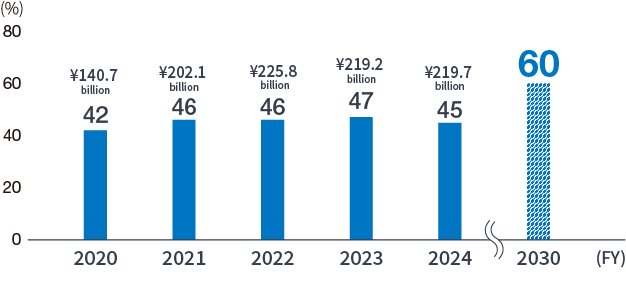
We promote the development of environmentally friendly products and technologies and strive to provide them to an ever greater number of customers in line with efforts to contribute to the carbon neutrality of the UBE Group as well as throughout society. To this end, we have set a target of having environmentally friendly products and technologies comprise 60% or more of our net sales by fiscal 2030.

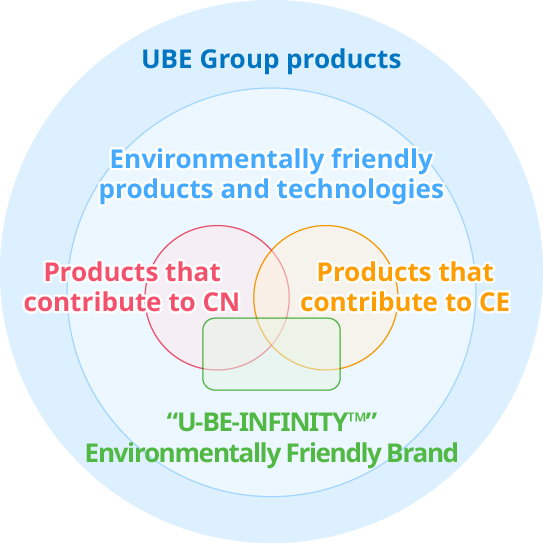
Products and technologies that contribute to carbon neutrality (CN) and a circular economy (CE) are included among our environmentally friendly offerings, and products with particularly exceptional capabilities are recognized under the environmentally friendly brand U-BE-INFINITY™.

  • Diagram of environmentally friendly products and technologies, products that contribute to CN and CE, and our environmentally friendly brand
    figure
  • Trends in the UBE Group’s consolidated net sales of environmentally friendly products and technologies*1
    figure
    • *1Excluding cement-related business transferred to Mitsubishi UBE Cement Corporation.
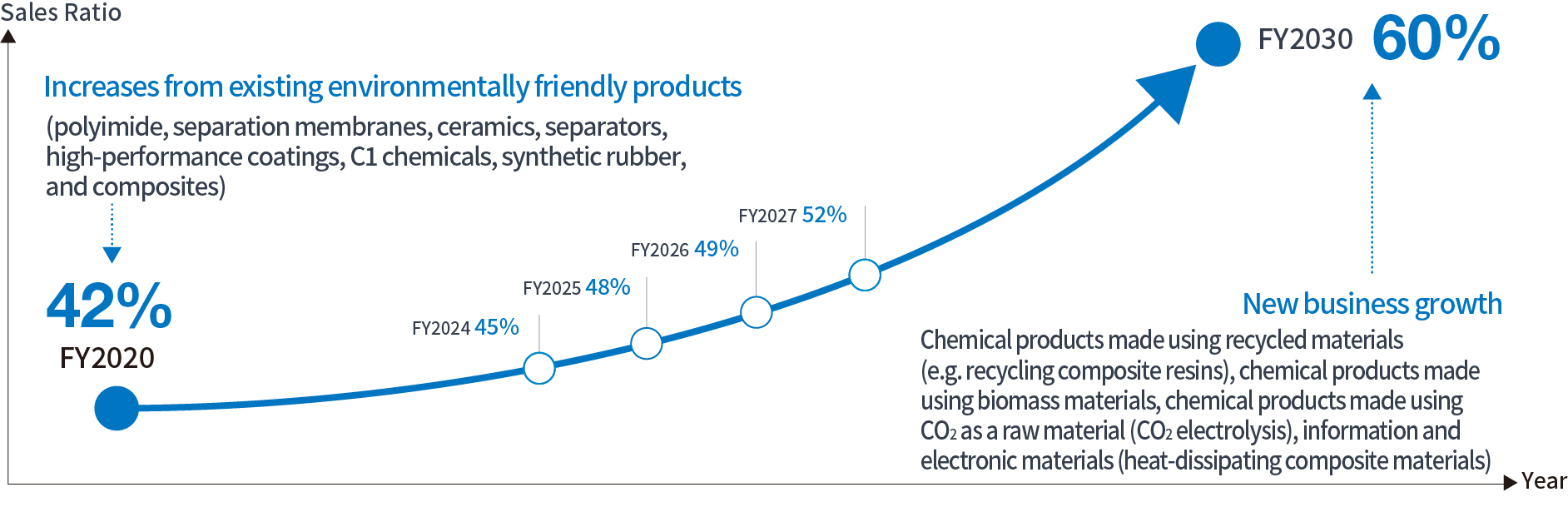
Timeline for generating more than 60% of consolidated net sales from environmentally friendly products and technologies by fiscal 2030
figure

Main environmentally friendly products and technologies

The UBE Group's Main Environmentally Friendly Products

  • Polyimide

    Polyimide resins, which are highly resistant to heat, chemicals, etc., are utilized in a variety of electrical appliances and other products.

    Reason for selection
    • Chip On Film (COF) for use in TVs: Helps reduce energy consumption.
    • Flexible solar cell film/Anode binder for lithium-ion batteries/Biphenyltetracarboxylic dianhydride (BPDA) for insulation in EV motors: Contributes to reducing CO2 emissions.
    • Water-based polyimide varnish (organic solvent-free): Contributes to reducing volatile organic compound (VOC) emissions.
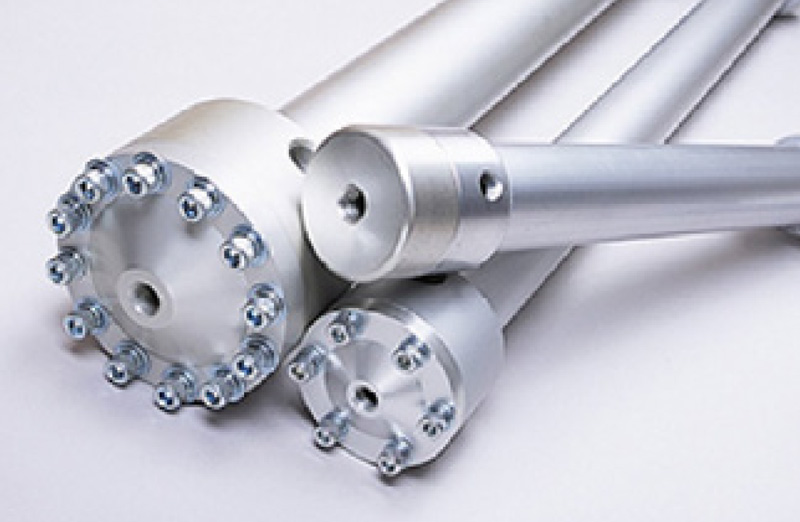
  • Separation membranes

    Gas separation membranes containing polyimide hollow fibers enable the efficient extracting of specific gases from mixtures.

    Reason for selection
    • CO2 separation membranes: Removes CO2 from biogas (methane)
    • Dehydration membranes: Removes water from bioethanol
    • Hydrogen membranes: Various uses including in hydrogen purification and the production of Sustainable Aviation Fuel (SAF) and biodiesels, contributing to the transition from fossil fuels and reducing usage amounts.
  • Ceramics

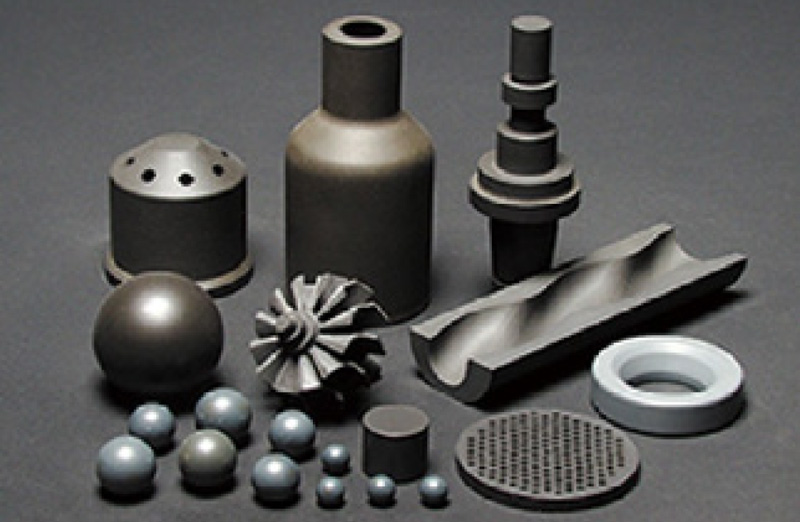
    UBE's silicon nitride is a high-quality powder created through an original Imide-decomposition process. This powder offers the optimal characteristics required of a raw material powder and can control microstructures, giving it high thermomechanical properties.

    Reason for selection
    • Use in bearings: Bearings for renewable wind power generators and EV motors
    • Use in circuit boards: Contributes to more widespread EV adoption as a circuit board material in EV inverter modules.
    • Use in fluorescent materials: Contributes to reducing energy consumption when used in LED illumination.
  • Separators

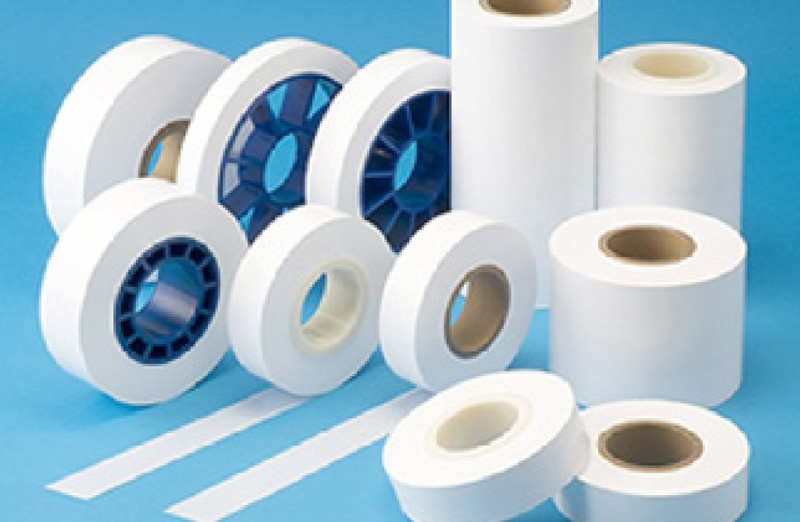
    Separators from Ube Maxell are made using a microporous polyolefin film that features uniformly distributed microporous structures produced through a dry manufacturing process. A main component in the creation of lithium-ion batteries, such films have been extensively developed for diverse applications in wide-ranging fields over many years.

    Reason for selection
    • Used in next-generation vehicles (e.g. HEVs, BEVs) and energy storage systems for power stations to contribute to mitigating fossil fuel resource usage and CO2 emissions
  • High-performance coatings

    UBE's high-performance coating products, which boast superior durability and eco-friendliness, include polycarbonate diols (PCDs), polyurethane dispersions (PUDs), and oxetane.

    Reason for selection
    • PCDs: Highly durable materials for use in polyurethane products. Help to lengthen the lifespan of urethane products.
    • PUDs: Water-based urethane coatings offer the benefit of environmentally friendly, low-VOC coatings. PUDs do not contain pyrrolidone or tin, so they offer manufacturers who transition to using them a reduction in the amount of harmful substances in new products.
    • Oxetane: Lower toxicity than conventional epoxies and acrylic compounds. Can be used for solvent-free curing products, avoiding the need for organic solvents that are a source of VOCs. Also uses less energy for the curing processes.
  • C1 chemicals

    These chemicals are components of the electrolyte solutions used in the lithium-ion batteries installed in BEVs and PHEVs.

    Reason for selection
    • Contributes to reduced fossil fuel usage and CO2 emissions when employed as a raw material for the electrolyte solutions used in lithium-ion batteries for BEVs and PHEVs.
  • Elastomers

    UBE's Elastomers Business produces and sells butadiene rubber (BR), a typical synthetic rubber. These products include high-cis BR synthesized using a cobalt catalyst.

    Reason for selection
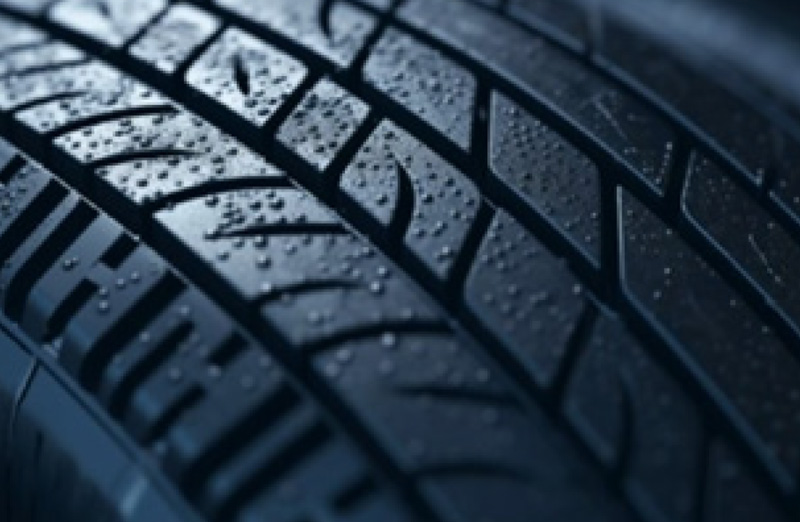
    • Used in vehicle tires to reduce fuel consumption, contributing to lower resource usage.
  • Nylon composites

    We utilize the special characteristics of nylon to provide high-performance resins that meet customer demand. We actively pursue the development of composite products that utilize biomass raw materials, recycled materials, etc. as raw materials.

    Reason for selection
    • The development of resin products for use in EV vehicle parts enables weight reductions and contributes to reduced CO2 emissions.
    • Furthermore, the widespread use of composites made with raw materials derived from plants, recycled materials, etc. contributes to the realization of a circular economy and to countermeasures against global warming.

“U-BE-INFINITY™” Environmentally Friendly Brand

U-BE-INFINITY ロゴ

In April 2024, the UBE Group launched "U-BE-INFINITY™," an environmentally friendly brand. UBE Group products and technologies designed to contribute to the environment that are deemed to have outstanding environmental performance are granted this brand, with the goal of enhancing their added value.

The brand name is intended to express our aspiration to realize infinite social development together with our stakeholders. In addition, the brand's logo uses diverse colors to represent our determination to never being content with the status quo and continuously evolve in order to help resolve global environmental issues.

The "U-BE-INFINITY™" brand thus encompasses products and technologies capable of contributing to carbon neutrality by reducing GHG emissions as well as a number that employ reused and biomass materials to help save resources or make recycling easier.

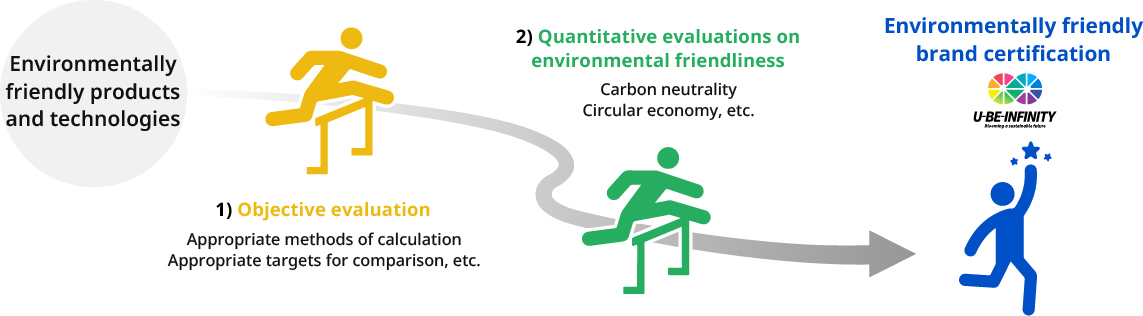
Standards for certifying products under this brand: Objectivity and environmental friendliness

Among the environmentally friendly products and technologies certified under the UBE Guidelines, which were created based on the 2015 revisions to ISO14001, this environmentally friendly brand is used only for products and technologies that have passed objective evaluations and quantitative evaluations based on standards for environmental friendliness.

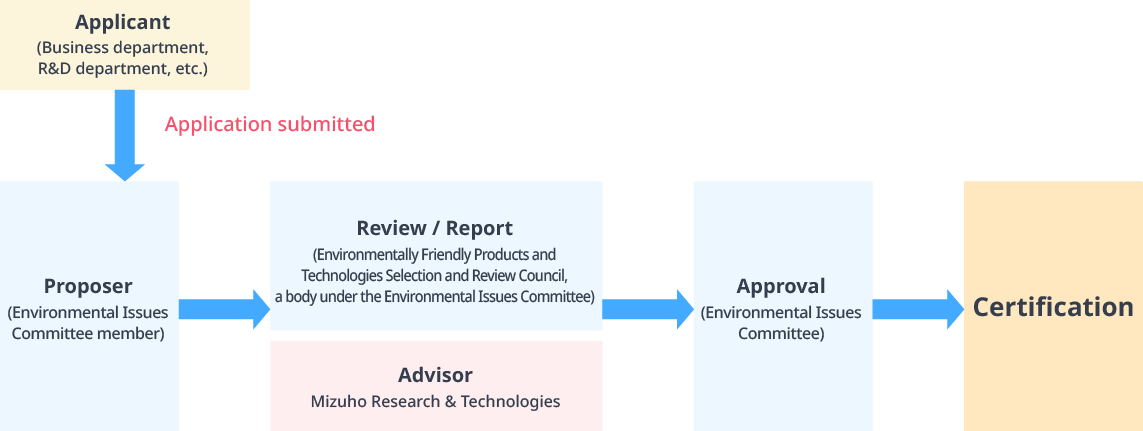
Reviews and certifications are done under the UBE Group's Environmental Issues Committee (an organizational body subordinate to the Strategic Management Meetings), which comprehends and formulates countermeasures regarding global environmental issues. Mizuho Research & Technologies, Ltd. participates as an outside advisor to ensure transparency.

figure
figure

Certified products and technologies / Developed products and technologies targeted for certification

New certified products

Newly developed products launched under this brand

Developed products and technologies to be expanded

EPISODE

photo

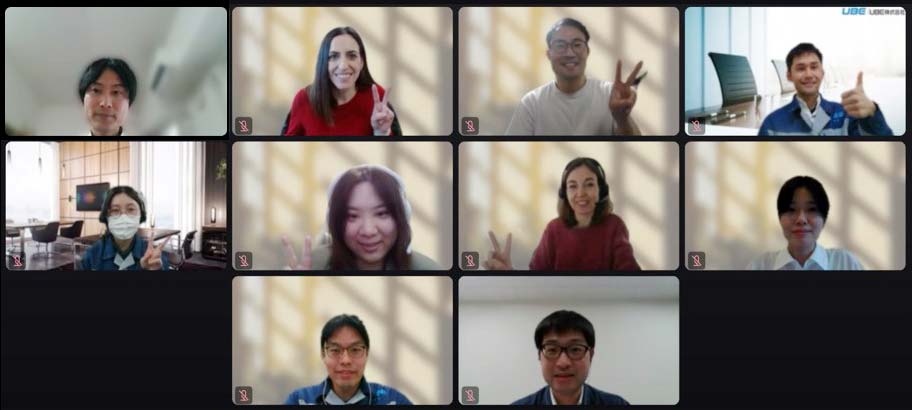
Younger staff from diverse departments, including some in Europe, make up the core of this group, which holds discussions that transcend business, occupational, and national boundaries on what UBE should do in response to global environmental issues.

We foresaw difficulties in reflecting internal opinions on the logo’s design and certification standards when planning methods for running this certification program, but this brand has come to embody UBE’s ideals and wishes for the future.